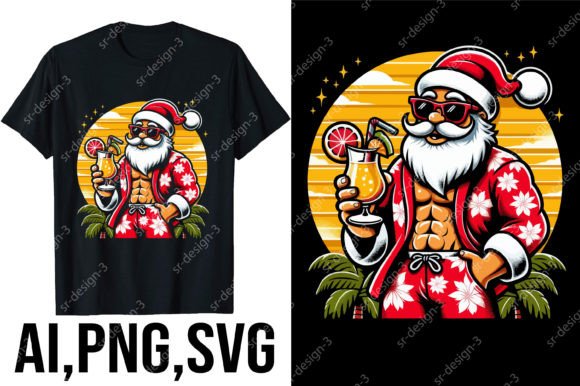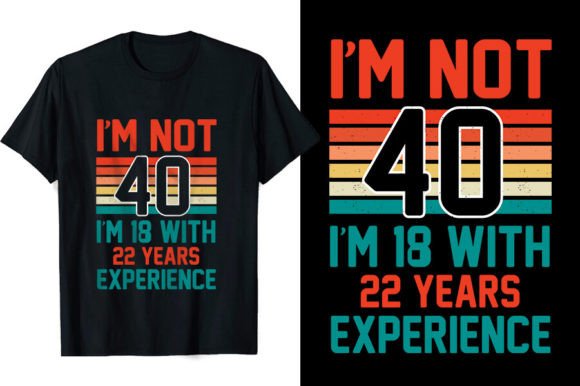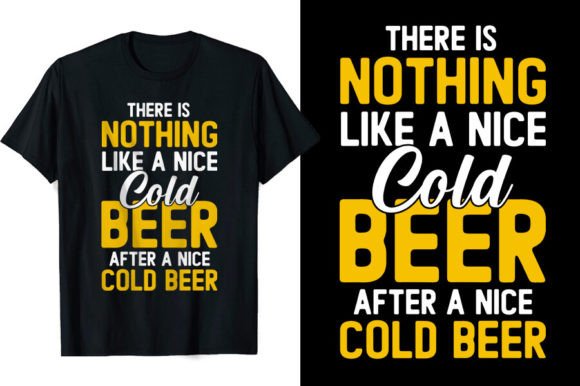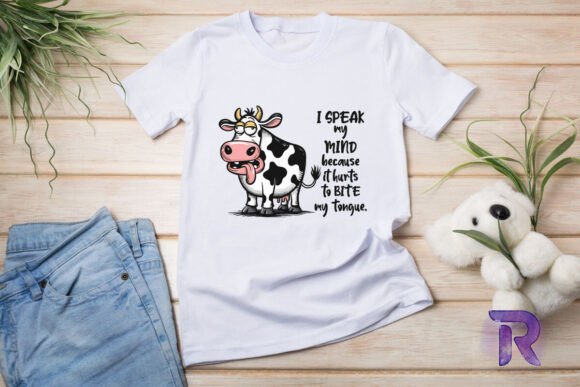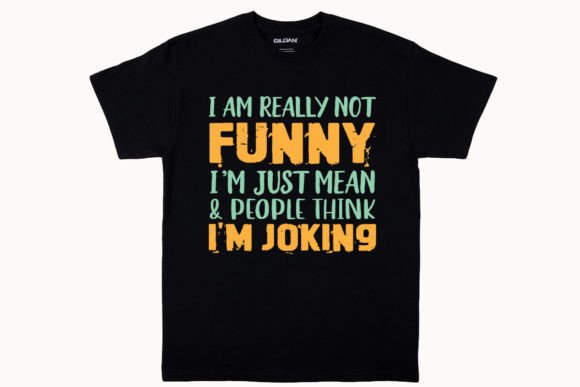
Funny T-Shirts: A Designer’s Real-World Embroidery Review
As a professional designer who has spent countless hours digitizing and stitching out machine embroidery design files, I have learned that not every graphic translates well to thread. When I first encountered the Funny T-Shirts collection, specifically the "Make Today Great" concept, my initial reaction was cautious optimism. The premise is simple: bold, uplifting text meant for casual wear. But simplicity in graphics does not always equal simplicity in stitching. I needed to know if this embroidery file would hold up under the needle or if it would become a tangled mess of broken threads and puckered fabric.
First Impressions and Visual Personality
The mood of Funny T-Shirts is inherently cheerful and approachable. It lacks the ornate flourishes of vintage styles or the rigid geometry of corporate logos. Instead, it relies on clean lines and readable typography. For an embroidery project, this is both a blessing and a challenge. The visual personality suggests a product that is meant to be seen from a distance, making it ideal for items like tote bags or sweatshirts where impact matters more than intricate detail.
When evaluating these T-Shirt Designs, I look at the layout. Is the spacing consistent? Are the letters too close together, risking thread bridging? In this case, the design feels open and airy. This openness is crucial for maintaining stitch clarity, especially when using standard polyester or rayon threads. The theme is universal, which means it has broad appeal for anyone looking to create a personalized gift or stock their Etsy seller shop with evergreen inventory.
Real-World Application: The Sweatshirt Test
To truly test the viability of Funny T-Shirts, I moved beyond digital mockups and into the studio. My real-life scenario involved preparing a custom order for a local boutique client who wanted branded custom apparel for her staff. She chose heavy-weight cotton sweatshirts. This is a common use case for this type of Graphics product, but it presents specific hurdles.
Stitching onto thick, textured fabric requires careful attention to stabilizer choice. I used a medium-weight cut-away stabilizer to ensure the design remained stable during washing. The result was impressive. The bold nature of the design allowed the stitches to sit cleanly on the textured surface without getting lost in the fleece. The fill stitch areas, where present, provided solid coverage, while any outline work used a balanced satin stitch that didn’t pull the fabric excessively.
This experience confirmed that Funny T-Shirts performs well on sturdy materials. It is not just a digital asset; it is a viable component for a finished product that customers will wear daily. The visual appeal translates directly to perceived value. A crisp, well-stitched logo on a high-quality garment builds customer trust and enhances brand consistency for small business owners.
Navigating Fabric and Hoop Constraints
While the design shines on sweatshirts and canvas tote bag design projects, it requires caution in other areas. I would advise against using this specific style on very thin, stretchy fabrics like lightweight jersey without significant stabilization. The density of the stitches could cause puckering, ruining the aesthetic of the handmade product.
Similarly, consider the hoop size. If you are working with a small 4x4 inch hoop, you may need to scale the design down significantly. However, reducing the size too much can compromise the legibility of the text. Tiny lettering often fails in embroidery because the machine cannot resolve fine details at small scales. Always check the minimum recommended size before committing to a project. If the design includes small decorative elements, inspect them closely in your software. You might need to simplify certain corners or adjust the stitch density to prevent thread breaks.
For curved surfaces like caps or hats, the rigidity of the design needs to be considered. A large, flat design can distort on a curved crown. In such cases, breaking the design into smaller segments or using an applique design technique might be more effective than direct stitching. This approach reduces bulk and ensures the embroidered patch or direct stitch lies flat against the curve.
Commercial Viability and Brand Consistency
For craft business owners and digital embroidery file sellers, the commercial potential of Funny T-Shirts is strong. The "Make Today Great" message is timeless. It fits seamlessly into categories like holiday embroidery gifts, back-to-school items, or motivational baby embroidery pieces. Because the design is versatile, it allows for creative experimentation with thread colors.
I recommend testing the design in black and white mockups first. This helps you understand the contrast and shape without the distraction of color. Once you move to color, consider how the thread interacts with the fabric. On dark fabrics, you may need an underlay stitch or a lighter top thread to ensure visibility. On light fabrics, ensure the thread color provides enough contrast to make the text pop. These small adjustments can significantly impact buyer engagement and the overall professionalism of your small shop product.
Practical Notes for the Embroidery Designer
Before you load this design assets package into your machine, take a few practical steps. First, always stitch out a test on scrap fabric that matches your final project material. This allows you to check for tension issues and thread breaks. Second, verify the license terms. The description mentions it is available for personal and business use, but always confirm if there are restrictions on mass production or digital redistribution. Since the product is described as "Available Editable 1," you likely have some flexibility to tweak the design, but ensure you have the technical skills to modify the digitizing without compromising stitch quality.
Finally, think about the end user. Will this embroidery project withstand frequent washing? If so, ensure your stitch directions follow the grain of the fabric where possible, and use high-quality threads that resist fading. A durable finished product leads to repeat customers and positive reviews.
In conclusion, Funny T-Shirts offers a solid foundation for various commercial embroidery projects. It is not just a pretty picture; it is a functional design that, when handled with care and proper technique, can elevate your printable mockup portfolio and your physical inventory. Whether you are creating a unique personalized gift or stocking your online store, this design deserves a spot in your library, provided you respect the limitations of the medium and prepare accordingly.