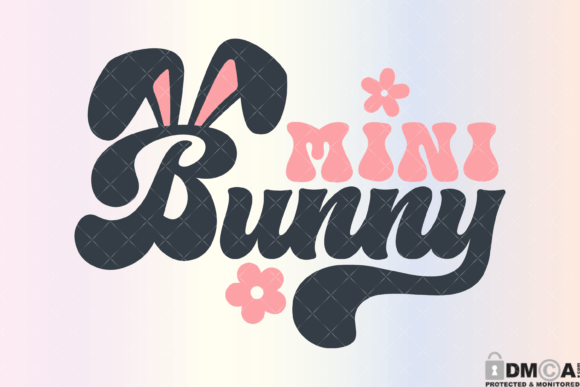
Mini Bunny Svg PNG: A Designer’s Embroidery Review
When I first opened the folder containing Mini Bunny Svg PNG, my initial reaction was one of cautious optimism. As an experienced embroidery designer, I have seen countless spring-themed assets that look charming on a screen but turn into a tangled mess under the needle. This particular design, marketed as a funny Easter cottontail with a retro spring vibe, promised versatility for shirts, sublimation, and vinyl decals. But my job is to look past the marketing copy and determine if it holds up as a viable machine embroidery design for real-world applications.
The visual personality of this graphic is undeniably cute. It features clean lines and a playful aesthetic that leans heavily into the current trend of retro-inspired nursery decor and boutique children’s apparel. For those of us running a craft business or managing an Etsy shop, recognizing a trend is only half the battle. The other half is execution. Does the shape translate well to thread? Will the details survive the wash cycle? Let’s break down how this asset performs when moved from digital Graphics to physical stitch.
First Impressions and Design Mood
The layout of the bunny is compact, which is both its greatest strength and its potential weakness. The "mini" aspect suggests it is intended for small placements, such as left-chest logos on adult tees, pocket areas on baby onesies, or accents on tote bags. The mood is lighthearted and whimsical, perfect for creating a personalized gift that feels handmade rather than mass-produced. However, because the source files are described as SVG and PNG clipart suitable for cutting and printing, we must assume that converting this into an embroidery file requires careful digitizing or the use of auto-digitizing software with significant manual cleanup.
If you are using this as a base for an applique design, the simple silhouette works in your favor. A solid fill behind a fabric cutout can mask minor imperfections in the original vector lines. If you intend to stitch it out fully using satin stitch borders and fill stitch interiors, you need to pay close attention to the curvature of the ears and the roundness of the body. Sharp corners in digital vectors often result in thread bunching if not properly smoothed out during the digitizing phase.
Real-World Application Scenarios
I recently tested a similar retro bunny concept on a custom embroidered tote bag for a local boutique client. The goal was to create a seasonal item that could transition from Easter Sunday to general spring use. Using the Mini Bunny Svg PNG as a reference for placement and scale, I found that the design shines on medium-weight canvas. The texture of the fabric provides a sturdy foundation, allowing the threads to sit high and visible without sinking into the weave.
For sweatshirt embroidery, the design offers excellent visibility against heather grey or pastel fleece. The retro style pairs beautifully with vintage-inspired thread palettes—think mustard yellows, muted sage greens, and dusty pinks. When applied to custom apparel like adult t-shirts, keeping the size modest ensures the garment remains wearable for everyday use rather than looking like a costume piece. This is crucial for Etsy sellers who want to maximize the lifespan of their products in a customer’s wardrobe.
Another strong use case is baby embroidery. On a soft cotton onesie, a small, well-stitched bunny adds immense value. Parents love subtle, high-quality details. However, this is where the "mini" nature demands precision. If the design is too small, the intricate parts of the face or limbs may become indistinct blobs of thread after a few washes. I recommend testing the design at various sizes to find the sweet spot where detail meets durability.
Navigating Technical Challenges
While the aesthetic is appealing, there are specific scenarios where you should proceed with caution. First, consider stitch density. If you are converting this SVG yourself, ensure that the fill areas are not too dense. High density on stretchy fabrics like jersey knits can cause puckering, ruining the drape of the shirt. Always use a proper stabilizer—cut-away for knits and tear-away for wovens—to support the stitching.
Second, be mindful of hoop size limitations. While the design is small, placing it on curved surfaces like caps or hats requires careful hooping techniques. The distortion inherent in cap embroidery can warp the symmetrical lines of the bunny, making it look lopsided. For embroidered patch creation, however, this design is ideal. Patches allow for heavy stabilizer use and dense stitching without worrying about garment distortion, resulting in a crisp, professional finished product.
Dark fabrics present another challenge. If you are stitching a light-colored bunny on a navy or black garment, you must ensure your digitizing includes an underlay that completely covers the background fabric. Otherwise, the dark material will peek through the lighter threads, reducing the visual clarity and perceived quality of the handmade product.
Enhancing Brand Value and Customer Trust
Using a well-executed version of Mini Bunny Svg PNG can significantly boost your brand consistency. In the world of small shop product sales, visual appeal drives engagement. A clean, recognizable character helps customers instantly identify your style. When buyers see a neatly stitched, thoughtfully placed design, it builds trust. They perceive the item as higher value, justifying a premium price point compared to generic, poorly executed alternatives.
For commercial embroidery projects, such as corporate spring gifts or event merchandise, this design strikes a balance between professional and playful. It avoids being overly childish, making it suitable for a wider demographic. This versatility is key for maximizing ROI on your design assets.
Practical Designer Notes
Before you commit to a large production run or list this as a new item in your store, follow these practical steps:
- Test on scrap fabric: Never stitch directly on the final garment. Use the same fabric type and weight to check for puckering or thread breaks.
- Check thread color contrast: View your design in black and white mockups to ensure the shapes are distinct even without color differentiation.
- Inspect small details: Zoom in on the digital file. Are there stray nodes or overlapping paths that could cause machine errors?
- Confirm licensing: Since the product description mentions digital files for cutting and printing, verify if the license extends to commercial embroidery sales. Some SVG licenses are strictly for personal use or physical cutting, not for selling stitched items.
- Review stitch density: If you are digitizing from the PNG or SVG, manually adjust the density to suit the fabric texture. Thinner fabrics require lighter stitching.
In conclusion, Mini Bunny Svg PNG is a promising asset for spring collections. Its retro charm and versatile scale make it suitable for everything from tote bag design to holiday embroidery on nursery decor. However, its success relies entirely on the skill of the digitizer and the preparation of the embroiderer. By respecting the technical limitations of thread and fabric, you can transform this simple graphic into a standout Print Templates inspired masterpiece that delights customers and elevates your brand. Treat it not just as a clipart file, but as a blueprint for quality craftsmanship.