Reviewing My First Easter Svg PNG for Embroidery
As a designer who spends half my life staring at stitch simulations and the other half wrestling with hoop tension, I approach every new digital embroidery file with a healthy dose of skepticism. We have all been there: you download a cute graphic, load it into your software, and realize the lines are too thin for a satin stitch or the details will vanish under a fill stitch. That is why I took a close look at My First Easter Svg PNG to see if it holds up in a real-world production environment.
This isn’t just about whether the image looks pretty on a screen. It is about how this design translates from a vector path or raster image into thread on fabric. The product description highlights its use for Cricut cutting and sublimation, but for us embroidery professionals, the question is always: can this become a high-quality handmade product? Let’s break down the practical application of this retro-inspired bunny design.
First Impressions and Design Personality
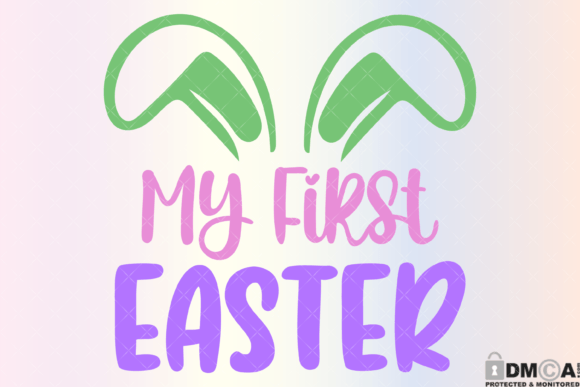
The immediate vibe of My First Easter Svg PNG is nostalgic and playful. The "Retro Spring Rabbit Ears" aesthetic suggests a mid-century modern influence, which is currently trending heavily in boutique children’s wear. For an embroidery project, this is good news. Retro designs often rely on bold shapes and limited color palettes, which tend to stitch out cleaner than hyper-realistic illustrations.
When I visualize this as a machine embroidery design, I see potential for strong visual impact. The funny cottontail bunny theme is not overly complex, which reduces the risk of thread breaks or bird’s nests during stitching. However, because this is provided as SVG and PNG files rather than a native embroidery format like PES or DST, the burden of digitizing falls on you. This is a crucial distinction. You are buying design assets and Print Templates, not a pre-digitized embroidery file. This means you have full control over stitch types, but you also bear the responsibility for technical execution.
Real-World Application: The Baby Onesie Test
To test the viability of this design, I imagined a common scenario for many Etsy sellers and craft business owners: creating a personalized gift for a newborn’s first spring. The natural canvas here is a baby onesie or a soft cotton bib.
If I were stitching this onto a onesie, I would focus on the scale. Baby garments have limited real estate. The "My First Easter" text element needs to be legible without being so small that the stitches become dense and stiff. A stiff patch on a baby’s chest is a recipe for discomfort and returns. I would recommend using a combination of satin stitch for the text and a lighter fill stitch or even applique design techniques for the bunny body. Applique would reduce the stitch count significantly, keeping the garment soft and flexible.
For a custom apparel piece like this, thread choice is critical. Pastel threads might look sweet, but they can get lost on white fabric. I would test high-contrast thread colors first to ensure the retro lines pop. If you are selling this as a personalized gift, the clarity of the design directly impacts customer trust. A muddy, indistinct bunny looks amateurish; a crisp, well-defined silhouette looks professional.
Versatility Across Products
Beyond baby clothes, where else does My First Easter Svg PNG fit? I see strong potential in tote bag design. Canvas tote bags can handle higher stitch density and heavier threads. A larger version of this bunny could serve as a charming holiday embroidery accent for spring markets. It would also work well on kitchen towels, provided you use a proper stabilizer to prevent puckering on the waffle weave or terry cloth.
For sweatshirt embroidery, the retro style aligns perfectly with current fashion trends. Imagine this design placed on the left chest of a crewneck sweatshirt. It acts as a subtle brand marker or a seasonal flair. However, you must be cautious with curved surfaces. If you attempt to put this on a cap, the center front panel is the only safe zone. The side panels will distort the shape of the bunny ears, ruining the finished product’s aesthetic.
Technical Challenges and Considerations
Since you are working from SVG and PNG Graphics, you need to be mindful of how you convert these into stitches. Here are the specific areas where things can go wrong:
- Tiny Lettering: If the "My First Easter" text is small, standard fonts may not digitize well. You might need to simplify the font or increase the size to ensure each letter is recognizable after stitching.
- Fabric Texture: On textured fabrics like fleece or terry, fine details disappear. This design works best on smooth, tightly woven cottons or poly-blends.
- Dense Stitch Areas: If you choose to fill the entire bunny with thread rather than using applique, monitor your stitch density. Too many stitches in one area can cause the fabric to pucker or tear, especially on stretchy materials.
- Dark Fabric: If stitching on dark navy or black, you will need an underlay stitch strategy that supports bright top threads. Without proper underlay, the design may look dull or allow the background fabric to show through.
Commercial Viability and Licensing
For small shop product creators, understanding the license is key. The description notes these are digital files for cutting and printing. Before selling commercial embroidery items made from this design, you must confirm if the creator allows commercial use of the derived embroidered goods. Most SVG creators do, but it is always wise to double-check. Assuming it is allowed, this design offers good value because it is versatile. It can be used for printable mockup previews in your online store to attract buyers before you even stitch a single thread.
Using this as part of your brand consistency strategy works well if your shop focuses on holiday-specific items. It signals to buyers that you are current with trends. A well-executed embroidered patch featuring this bunny could also be sold as a standalone item, allowing customers to iron or sew it onto their own garments later.
Final Designer Notes
Before you commit to a large batch of custom apparel or holiday gifts, follow these steps:
- Test on Scrap Fabric: Never stitch directly on your final garment. Use the same type of fabric and stabilizer to check for puckering.
- Check Contrast: View your digitized design in black and white. If the details merge into a blob, you need to adjust your stitch angles or density.
- Hoop Size Matters: Ensure your design fits comfortably within your hoop with room for stabilization. Do not crowd the edges.
- Thread Quality: Use high-quality rayon or polyester threads. Cheap thread frays and breaks, ruining the professional look of your handmade product.
In conclusion, My First Easter Svg PNG is a promising asset for designers who understand the technical side of embroidery. It is not a plug-and-play solution, but rather a flexible foundation for creating high-value craft fair products and boutique branding items. With careful digitizing and attention to fabric choice, this retro bunny can become a standout seller in your spring collection.