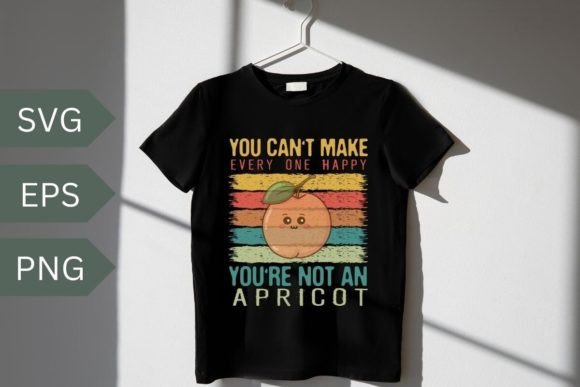
You Can't Make Everyone Happy: A Designer's Review
As a designer who has spent years translating digital vectors into tangible stitched goods, I approach every new asset with a mix of excitement and skepticism. The market is flooded with T-Shirt Designs that look great on a screen but fall apart under the needle. When I first opened the file for You Can t Make Everyone Happy You re Not An Apricot, I was immediately struck by its vintage aesthetic. It leans heavily into a retro poster style, blending vegetables and fruit motifs with a witty, relatable saying. But does this machine embroidery design hold up when you move from the monitor to the hoop? Let's dive into how this specific Graphics asset performs in real-world scenarios.
The Visual Vibe and First Impressions
The initial impression of You Can t Make Everyone Happy is one of playful nostalgia. The combination of an apricot and other vegetable elements creates a whimsical texture that feels right at home in a modern craft shop or a boutique kitchen setting. The typography is bold enough to be read from a distance, yet it retains the hand-drawn charm typical of vintage posters. For an Etsy seller or a small business owner looking to add personality to their inventory, this design offers immediate character. It isn't just a slogan; it's a statement piece that suggests a brand with a sense of humor and an appreciation for quirky aesthetics.
However, the transition from a vector file to a physical embroidery project requires careful consideration. The intricate details found in the vegetable illustrations and the stylized lettering mean that stitch definition will be critical. If the stitch density is too low, the image may lose its crispness. If it is too high, you risk puckering on lighter fabrics. As I evaluated the layout, I noted that the balance between the text and the apricot graphic is well-proportioned, making it versatile for various applications without feeling cluttered.
Testing the Design on Real Projects
To truly understand the value of this digital embroidery file, I visualized it on a few specific products. Imagine a sturdy canvas tote bag in a natural beige tone. Placing You Can t Make Everyone Happy on the front pocket area would create a striking contrast. The earthy tones of the vegetables would complement the fabric, while the bold text would pop. This makes it an excellent candidate for a tote bag design aimed at eco-conscious shoppers who appreciate artisanal touches.
Another strong use case is sweatshirt embroidery. Picture a heavyweight, heather-grey crewneck. The soft texture of the fleece provides a forgiving surface for the stitches, allowing the retro vibe of the design to shine. This particular custom apparel item could become a bestseller for a holiday gift collection or a limited-run drop for a local craft fair. The message resonates universally, making it a safe bet for customer engagement while still feeling unique enough to stand out in a crowded marketplace.
I also considered how this might work as an embroidered patch. By stitching the design onto felt or twill and then trimming it with a satin edge, you create a durable accessory that can be sewn onto denim jackets, backpacks, or even hats. The applique design potential here is significant, especially if you want to layer the apricot element slightly above the background for added dimension. This technique adds depth and tactile interest, elevating the perceived value of the finished product.
Navigating Technical Challenges
While the design is versatile, there are areas where caution is required. The detailed corners of the vegetable illustrations and the fine lines in the lettering demand precision. If you attempt this on a very small hoop size, you risk losing the clarity of the "You're Not An Apricot" phrase. Tiny lettering often becomes muddy if the running stitch or fill stitch settings aren't optimized. I strongly advise testing the design on scrap fabric first to ensure the details remain legible after stitching.
Fabric choice is equally important. On thin or highly stretchy materials like jersey knit, the weight of the thread and the density of the stitches can cause the fabric to pucker or warp. In these cases, using a high-quality stabilizer is non-negotiable. A cut-away stabilizer would provide the necessary support for the dense areas of the design, ensuring the final result looks professional rather than distorted. Similarly, on dark fabrics, the thread colors need to be carefully selected to maintain contrast. A simple black outline might not suffice; consider using a bright white or contrasting color for the fill to make the apricot and text pop against the background.
Commercial Viability and Brand Consistency
For those running a craft business, the appeal of You Can t Make Everyone Happy lies in its broad demographic reach. It appeals to anyone who values individuality and humor, making it a fantastic addition to a lineup of personalized gifts. Whether you are creating baby embroidery items (perhaps on a onesie with a softer color palette) or kitchen towels for a housewarming present, the design adapts well to different contexts.
However, before listing these items for sale, you must confirm the licensing terms associated with the embroidery file. Ensure you have the right to sell finished goods made from this design. Many designers offer personal use licenses only, so verifying this protects your business from legal issues. Once cleared, this asset can significantly boost your brand consistency. The retro, friendly aesthetic aligns well with handmade brands that prioritize authenticity and storytelling.
Practical Tips for Best Results
- Test Stitch Density: Always run a test on a similar fabric to check if the fill stitch covers the background evenly without sinking in.
- Check Color Contrast: Use a printable mockup to visualize how the thread colors will appear on both light and dark backgrounds before committing to production.
- Stabilize Properly: For textured fabrics like denim or canvas, use a tear-away or cut-away stabilizer to prevent distortion during the stitching process.
- Inspect Small Details: Zoom in on the vector file to ensure the smallest elements, like leaf veins or letter serifs, are large enough to be embroidered cleanly.
- Verify Licensing: Confirm that the license allows for commercial embroidery and the sale of small shop products derived from the design.
In conclusion, You Can t Make Everyone Happy is a robust and charming asset for any creative entrepreneur. Its blend of humor, vintage style, and clear imagery makes it a standout choice for handmade products ranging from apparel to home decor. While it requires attention to detail regarding hoop size and fabric preparation, the end result is a high-quality, engaging piece that customers will love. By approaching this design with a professional eye and practical preparation, you can turn a simple vector into a profitable and memorable part of your portfolio.